The Surprising Ways the Senses Can Bring Comfort

Healthcare worker in blue scrubs walking with senior woman while smiling at each other.

When someone is recovering in a skilled nursing facility, there is a lot to think about. There may be medications to manage, therapy sessions to attend, new routines to learn, and goals to work toward.

But recovery is also an experience of everyday life.

The things we see, hear, smell, taste, and touch can influence how a day feels. A familiar song can bring back a happy memory. The smell of a favorite meal can make a room feel more like home. Sunlight coming through a window can make an afternoon feel a little brighter.

These moments may seem small, but comfort can matter a great deal when someone is spending time away from home.

The Comfort of Familiar Sounds

Music is one of the easiest ways to create a sense of familiarity.

A favorite song can remind someone of a certain time in their life, a person they love, or a place they once visited. Even the sound of a familiar radio program, a favorite television show, or a family member’s voice can make an environment feel more comfortable.

Skilled nursing communities may incorporate music into activities, therapy, celebrations, or everyday routines. Residents may listen to favorite songs together, participate in sing-alongs, enjoy live entertainment, or simply listen to music they have loved for years.

Sometimes, a familiar sound is all it takes to make an unfamiliar day feel a little more familiar.

The Smell of Something Familiar

Our sense of smell is closely tied to memory.

The scent of fresh coffee may bring someone back to quiet mornings at home. Cinnamon might remind someone of baking during the holidays. The smell of a favorite meal can bring back memories of family dinners and celebrations.

Meals in a skilled nursing facility are an important part of daily care, but they can also be an opportunity to create comfort. Familiar foods and favorite flavors can give residents something enjoyable to anticipate and can make mealtimes feel like more than another part of the schedule.

For families, bringing in a favorite snack or baked good, when appropriate with a resident’s dietary needs, can be another way to bring a familiar piece of home into the day.

Photographs Tell Stories

A room can feel very different when it contains familiar things.

Family photographs, favorite artwork, books, keepsakes, and other personal belongings can help make a resident’s space feel like their own. A photograph on a bedside table can become a source of comfort as well as a conversation starter.

Pictures also invite storytelling.

A visitor might ask about a wedding photograph and hear a story they have never heard before. A staff member might learn about a resident’s career or favorite vacation simply by asking about something hanging on the wall.

Those conversations can help people get to know the person behind the care plan.

The Feeling of Familiar Things

Comfort can also come through touch.

A favorite sweater. A soft blanket. A well-worn book. A familiar chair. Even the simple feeling of holding something that has been part of someone’s life for years can provide a sense of familiarity.

Personal belongings are not medically necessary, but they can still be meaningful. They can help a new room feel less like a healthcare environment and more like a personal space.

Families can often help by bringing a few favorite items from home, especially things that make the resident feel comfortable and connected to the life they know.

The Difference Fresh Air Can Make

Sometimes comfort is as simple as a change in scenery.

Sitting outside on a pleasant day, feeling a breeze, seeing the trees, or enjoying a little sunshine can provide a welcome break from the routine of the day. Depending on a resident’s condition and care plan, spending time outdoors may be incorporated into activities or simply enjoyed as a quiet moment.

Even looking out a window can offer a change of perspective.

A garden, a sunny courtyard, or the changing seasons outside can remind us that life continues to happen beyond the walls of a healthcare setting.

Comfort Is Part of Caring

Skilled nursing is, first and foremost, about providing the clinical care and support residents need. Nursing care, rehabilitation, medications, nutrition, and other services all play important roles in a person’s recovery or ongoing care.

But people need more than clinical care.

They also need familiar things. Pleasant experiences. Conversations. Laughter. Favorite foods. Music. Family photographs. A comfortable place to rest.

The senses can help create those moments throughout the day.

A skilled nursing stay may be an important part of someone’s healthcare journey, but it does not have to feel like every moment is about healthcare. Small comforts can help bring pieces of everyday life into the experience and remind residents that they are still living, connecting, remembering, and enjoying the world around them.

Sometimes, something as simple as a familiar song, a favorite meal, or a photograph from home can make a meaningful difference.


Why Small Daily Victories Matter During Recovery

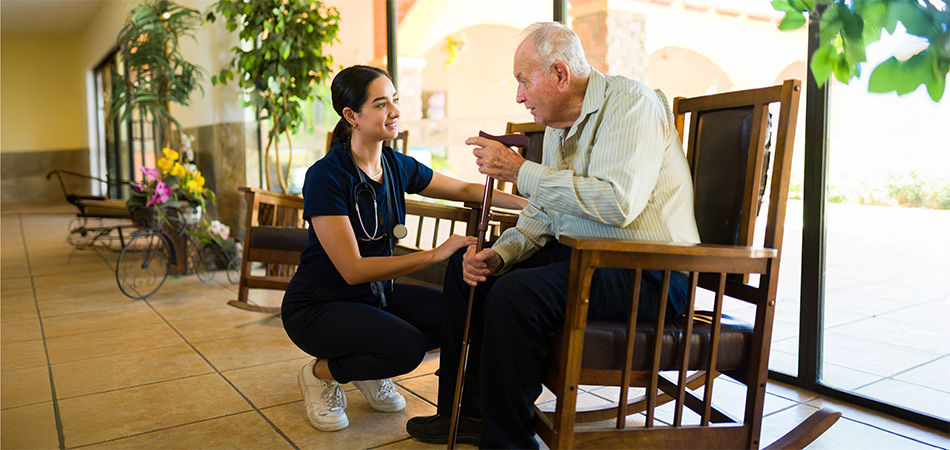
Healthcare worker talking to man on a sofa with a cane, both are laughing.

After a health scare, illness, injury, or hospital stay, everything can feel harder.

Tasks that once felt automatic suddenly require effort. Getting out of bed can be exhausting. Walking across a room may feel like a challenge. Even simple daily activities can take more energy and concentration than they used to.

For some people, recovery involves rebuilding strength. For others, it may involve relearning skills that were once second nature. No matter what the journey looks like, recovery can feel overwhelming when progress seems slow.

That is why small victories matter.

During recovery, it is easy to focus on what still feels difficult. It is easy to focus on the finish line instead of recognizing how far you have already come. But healing often happens through small steps, and those small steps deserve to be celebrated.

Progress Does Not Always Look Dramatic

Many people expect recovery to happen quickly.

They want to feel better right away. They want to get back to their normal routines and activities as soon as possible. When that does not happen, frustration can begin to set in.

The truth is that recovery is rarely one big breakthrough.

More often, it is a collection of small accomplishments that build on one another over time.

Standing up independently.

Walking a little farther than yesterday.

Participating in an activity.

Making a phone call to a loved one.

Finishing a meal.

Getting dressed without assistance.

These moments may seem small to someone on the outside, but they can represent meaningful progress for the person experiencing them.

Small Victories Build Confidence

One of the biggest challenges after a health setback is rebuilding confidence.

Many seniors feel discouraged when they cannot do things the way they once did. They may become hesitant to try new activities or worry that they are not progressing fast enough.

Celebrating small victories helps shift the focus.

Instead of concentrating on limitations, people begin noticing their successes. They start recognizing that they are making progress, even if it is happening gradually.

Confidence often grows the same way recovery does: one small step at a time.

Each accomplishment becomes proof that healing is happening and that improvement is possible.

Motivation Comes from Recognizing Progress

Recovery can be physically and emotionally demanding.

There are good days and difficult days. Some days feel productive and encouraging. Other days may feel frustrating.

When people take time to recognize small victories, it can provide motivation to keep moving forward.

A resident who walked a little farther today may feel encouraged to try again tomorrow. Someone who participated in a group activity for the first time may feel more comfortable joining another one in the future.

Progress creates momentum.

And momentum helps people continue moving toward their goals.

The Importance of Support

Recovery is rarely something people do alone.

Family members, friends, caregivers, and fellow residents often play an important role in helping someone recognize and celebrate their achievements.

Sometimes the person going through recovery is so focused on what they cannot do that they fail to notice how much they have already accomplished.

Having supportive people around to offer encouragement and acknowledge progress can make a tremendous difference.

A kind word, a congratulation, or simply having someone say, “Look how far you’ve come,” can help brighten a difficult day and provide motivation to keep going.

Creating a Positive Environment

In a skilled nursing community, celebrating small victories helps create a culture of encouragement and support.

Residents cheer each other on. Staff members recognize progress. Families celebrate milestones together.

These moments help create an environment focused on healing, growth, and hope.

Every resident’s journey looks different, but everyone benefits from feeling seen, supported, and encouraged along the way.

Recovery becomes less about what has been lost and more about what is being gained each day.

Every Step Forward Matters

Recovery is not always easy.

There may be setbacks, frustrations, and challenges along the way. But even during difficult seasons, progress is happening.

Sometimes progress looks like walking across a room.

Sometimes it looks like attending an activity, sharing a meal with friends, or getting through the day with a little more strength than yesterday.

These victories may seem small, but they matter.

Over time, small victories become larger accomplishments. Those accomplishments build confidence, encourage motivation, and help people continue moving forward.

One step. One achievement. One victory at a time.

Because every step forward is worth celebrating.

How Skilled Nursing Care Supports Recovery After a Hospital Stay

two women in a garden

Returning home immediately after hospitalization is not always possible or safe. Many individuals need additional support to regain strength, manage medical needs, and rebuild independence. Skilled nursing care provides a bridge between hospital treatment and a stable daily routine.

For families, this level of care offers reassurance that their loved one is receiving professional attention during a vulnerable period.

Continuous Medical Monitoring

After a hospital stay, complications can arise unexpectedly. Skilled nursing facilities provide around-the-clock supervision by licensed professionals who monitor vital signs, symptoms, and overall health.

Early detection of problems allows staff to intervene quickly, reducing the risk of serious setbacks or readmission. Medication schedules, wound care, and chronic conditions are carefully managed to support healing.

Assistance With Daily Activities

Even routine tasks can feel exhausting after illness or surgery. Skilled nursing teams assist with bathing, dressing, grooming, eating, and mobility, allowing residents to conserve energy while maintaining comfort and dignity.

Support is typically adjusted as recovery progresses, encouraging independence while ensuring safety.

Strength and Mobility Support

Physical weakness is common following hospitalization. Therapy services help residents rebuild endurance, balance, and functional abilities needed for everyday life.

Structured exercises and guided practice can improve confidence and reduce the risk of falls. As residents regain strength, they may become better prepared to return home or transition to a lower level of care.

Nutrition and Hydration

Proper nutrition plays a major role in recovery. Skilled nursing facilities provide balanced meals designed to meet dietary requirements and medical conditions. Staff also monitor food intake and hydration, which can decline when individuals feel unwell.

Consistent nourishment supports healing, immune function, and energy levels.

Emotional and Social Support

Hospitalization can be physically and emotionally draining. Being in a supportive environment with opportunities for social interaction helps residents maintain morale during recovery.

Activities, visits, and daily routines provide structure and reduce feelings of isolation. Emotional well-being is closely linked to physical progress, making this support essential.

Preparing for a Safe Return Home

A key goal for many residents is returning home safely. Skilled nursing teams often help evaluate readiness by assessing mobility, self-care abilities, and ongoing support needs.

Families may receive guidance on home safety modifications, follow-up care, and community resources. This preparation reduces the likelihood of complications after discharge.

A Critical Step Toward Stability

Skilled nursing care serves as an important transitional stage for individuals recovering from serious health events. By combining medical oversight, personal assistance, therapy support, nutrition, and emotional care, these communities provide comprehensive support during a challenging time.

For families, knowing their loved one is receiving attentive care can ease stress and allow them to focus on encouragement rather than constant worry.

What Families Should Know When Choosing a Skilled Nursing Facility

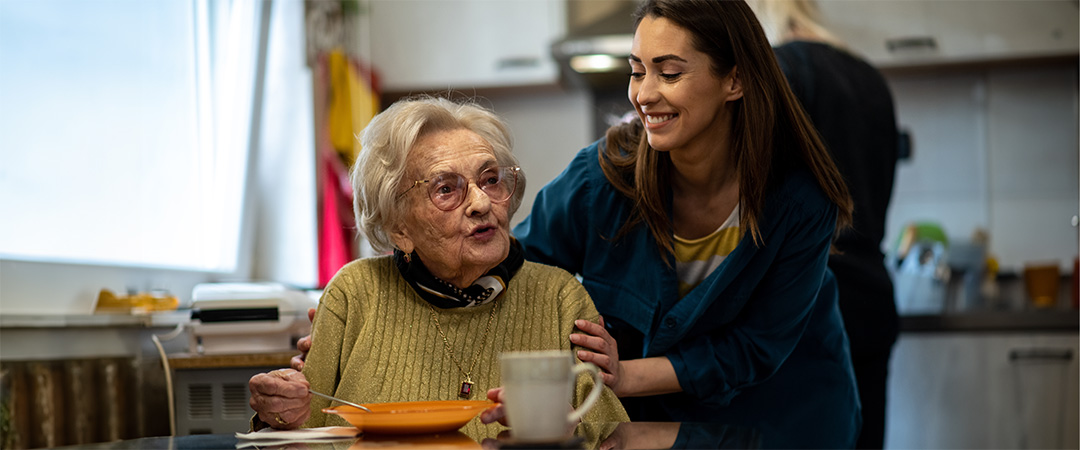
two women in a kitchen

Selecting a skilled nursing facility for a loved one is one of the most important decisions a family can make. Whether following a hospital stay or due to increasing care needs, this transition can feel overwhelming. Understanding what skilled nursing care provides and how to evaluate options can help families feel more confident and prepared during this process.

A well-chosen facility can support recovery, safety, and long-term well-being.

Understanding Skilled Nursing Care

Skilled nursing facilities provide medical care and assistance that cannot be easily delivered at home. Licensed nurses and trained caregivers support residents with complex health needs, medication management, and daily living activities.

Many individuals enter skilled nursing after surgery, illness, or injury, while others require long-term care due to chronic conditions or mobility limitations. These communities offer structured support tailored to each resident’s situation.

Evaluating Medical Support

One of the most important factors to consider is the level of clinical care available. Skilled nursing facilities typically provide 24-hour nursing supervision, coordination with physicians, and monitoring of health conditions.

Families may want to ask about staff availability, communication practices, and how medical changes are handled. Prompt response to health concerns can significantly impact outcomes and comfort.

Assessing Safety and Environment

Safety features are essential, particularly for residents with mobility challenges or cognitive changes. Look for accessible layouts, handrails, call systems, and attentive supervision.

A clean, organized environment can also indicate strong operational practices. Residents should appear comfortable and well cared for, and common areas should feel welcoming rather than institutional.

Therapy and Functional Support

Many skilled nursing residents participate in therapy services aimed at improving strength, mobility, and daily functioning. These services help individuals regain independence and maintain physical abilities.

Families may wish to ask how therapy plans are developed, how progress is measured, and how goals are communicated. Consistency and personalization are key components of effective support.

Social Engagement and Activities

Quality of life extends beyond medical care. Activities and social opportunities help residents maintain emotional well-being and a sense of purpose.

Programs may include group events, exercise sessions, games, music, and seasonal celebrations. Even simple opportunities for interaction can reduce loneliness and support mental health.

Observing whether residents appear engaged and content can provide valuable insight into the community’s atmosphere.

Communication With Families

Open communication builds trust. Families should feel informed about care plans, changes in condition, and available resources. Staff members who respond respectfully and clearly to questions help create a collaborative environment.

Regular updates can ease anxiety and allow families to remain involved without carrying the full burden of caregiving.

Making a Confident Decision

Choosing a skilled nursing facility is not just about meeting medical needs. It is about finding a place where a loved one will feel safe, respected, and supported.

Taking time to visit communities, ask questions, and observe daily life can help families identify the best fit. With the right environment, residents can experience improved stability, comfort, and quality of life.

How Skilled Nursing Facilities Help Prevent Rehospitalizations

Hospital stays can be overwhelming for older adults and their families. After discharge, the focus often shifts to recovery, safety, and preventing another trip back to the hospital. This is where skilled nursing facilities (SNFs) can make a meaningful difference. By offering clinical oversight, rehabilitation therapies, and personalized support, SNFs play a vital role in helping residents regain strength while reducing the risk of rehospitalization.

Why Rehospitalizations Happen

Unplanned hospital readmissions can happen for many reasons. Sometimes medications are difficult to manage at home. Other times, a small complication—such as a fall, infection, or wound that doesn’t heal properly—can quickly escalate. Without around-the-clock care, these issues may go unnoticed until they require urgent attention. Families often want peace of mind knowing that loved ones are monitored and supported during this delicate phase of recovery.

Comprehensive Assessments and Care Plans

One of the first steps after admission to a skilled nursing facility is a thorough assessment. Nurses and therapists review medical history, current needs, and physician instructions. From there, a personalized care plan is developed. This plan guides daily support, therapy sessions, and ongoing monitoring—helping ensure that potential issues are identified and addressed early.

Rehabilitation Therapies for Recovery

Rehab is more than just exercise; it’s about regaining independence and reducing the chance of setbacks. Skilled nursing facilities typically offer physical, occupational, and speech therapy on site. These therapies can improve balance, mobility, communication, and strength—all of which play a role in preventing complications that might otherwise lead to another hospital stay.

Medication Management and Monitoring

Managing prescriptions at home can be confusing, especially when multiple medications are involved. Skilled nursing teams help by ensuring medications are given at the right time, at the correct dosage, and with careful monitoring for side effects or interactions. With consistent oversight, residents are less likely to experience complications that could send them back to the hospital.

24/7 Nursing and Early Intervention

One of the strongest benefits of skilled nursing facilities is immediate access to professional care. Around-the-clock nursing means that if a change in condition occurs—such as sudden weakness, fever, or pain—it can be addressed quickly. Early intervention often prevents minor issues from developing into emergencies that require hospitalization.

Family Communication and Support

Families are an important part of the care team. Skilled nursing facilities keep loved ones informed about progress, therapy goals, and any changes to the care plan. Open communication helps everyone feel confident that the resident is being looked after, while also giving families peace of mind.

A Better Quality of Life

Preventing unnecessary hospital stays isn’t only about health outcomes; it’s about quality of life. Skilled nursing facilities provide structured routines, social activities, and supportive services that help residents feel comfortable and engaged. When care is consistent and proactive, residents are more likely to enjoy stability and progress on their recovery journey.

Support for the Road Ahead

Hospital readmissions can be stressful, but they aren’t always unavoidable. Skilled nursing facilities are uniquely designed to provide the right balance of medical oversight, therapy, and daily support that helps reduce the risk of returning to the hospital.

If you’d like to learn more about how a skilled nursing facility can support your loved one’s recovery, consider reaching out to schedule a tour or speak with the admissions team. Seeing care in action is often the best way to find peace of mind.

You Have a Choice: Why Selecting Your Skilled Nursing Facility Matters

When it comes to skilled nursing care, many people are surprised to learn that they have a say in where they go. Whether you’re recovering from surgery, managing a chronic condition, or transitioning from a hospital stay, you have the right to choose the skilled nursing facility (SNF) that best meets your needs. That choice matters, and it can make all the difference in your recovery, comfort, and overall experience.

Understanding Your Right to Choose

If a physician or hospital discharge planner recommends skilled nursing care, you aren’t automatically assigned to a facility. Federal law protects your right to select the SNF you prefer, provided it meets your medical needs and is covered by your insurance or Medicare. Too often, patients feel rushed or uncertain about their options, but knowing you can research, ask questions, and advocate for yourself (or your loved one) is the first step toward receiving care that feels right.

Why Your Choice Matters

  1. Every Facility Is Different

Each skilled nursing facility has its own strengths, amenities, and care philosophies. Some may focus on post-surgical rehabilitation with advanced therapy equipment. Others may emphasize long-term care with a strong sense of community and personal attention. By choosing a facility that aligns with your goals, whether it’s regaining independence, managing a health condition, or finding peace of mind, you’re setting yourself up for a more successful and positive experience.

  1. Quality of Care Varies

No two facilities are exactly alike. Look for one with a reputation for professional care, personalized attention, and a dedicated staff. Ratings, certifications, and online reviews can offer helpful insights. Better yet, take a tour if possible. Seeing the environment and meeting team members can give you a clearer sense of the level of care and compassion provided.

  1. Comfort Affects Healing

The emotional and physical environment in a skilled nursing facility plays a significant role in recovery. Warm, welcoming surroundings, clean and spacious rooms, and meaningful social engagement can all contribute to better outcomes. When you feel comfortable and cared for, you’re more likely to thrive.

  1. Your Voice Should Be Heard

Choosing your SNF is an important way to advocate for your health and personal preferences. Whether you value privacy, family involvement, flexible dining, or specialized programs, your priorities should guide your decision. Skilled nursing isn’t one-size-fits-all, and your choice should reflect what matters most to you.

How to Make an Informed Decision

Before choosing a skilled nursing facility, consider:

  • Visiting in person or taking a virtual tour
  • Asking about therapy services, staffing ratios, and care plans
  • Reviewing Medicare or state health department ratings
  • Talking to residents or family members of current residents

Empowered with information, you can make a confident, thoughtful choice that supports your health and well-being.

Remember: This is your care, your recovery, and your life. And you have the right to choose where that care begins.

If you’re exploring skilled nursing options and want to learn more, contact us today to ask questions, schedule a tour, or speak with our admissions team. We’re here to help you feel informed and supported every step of the way.